Tag
Die Steel
5 articles covering Die Steel. Every guide is written by the engineers who run the process, not by a marketing team.
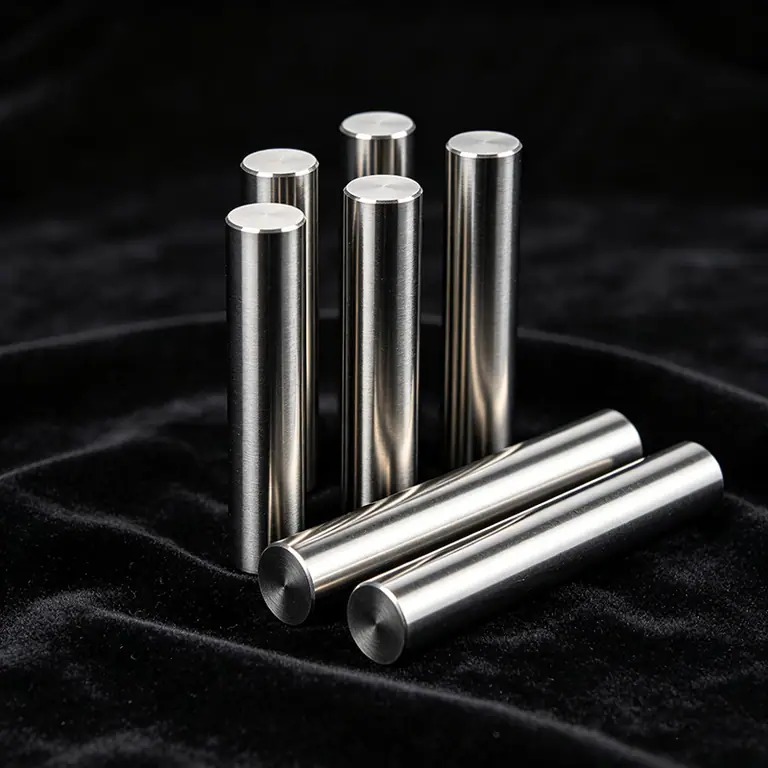
The Complete Cr8Mo2SiV Die Steel Guide: Balancing Hardness, Toughness and Machinability
Cr8Mo2SiV is an upgraded cold-work tool steel over Cr12Mo1V1, striking a better balance between hardness, toughness and machinability. This article covers the key selection criteria for Cr8Mo2SiV in die making — from material properties and heat treatment to typical applications.
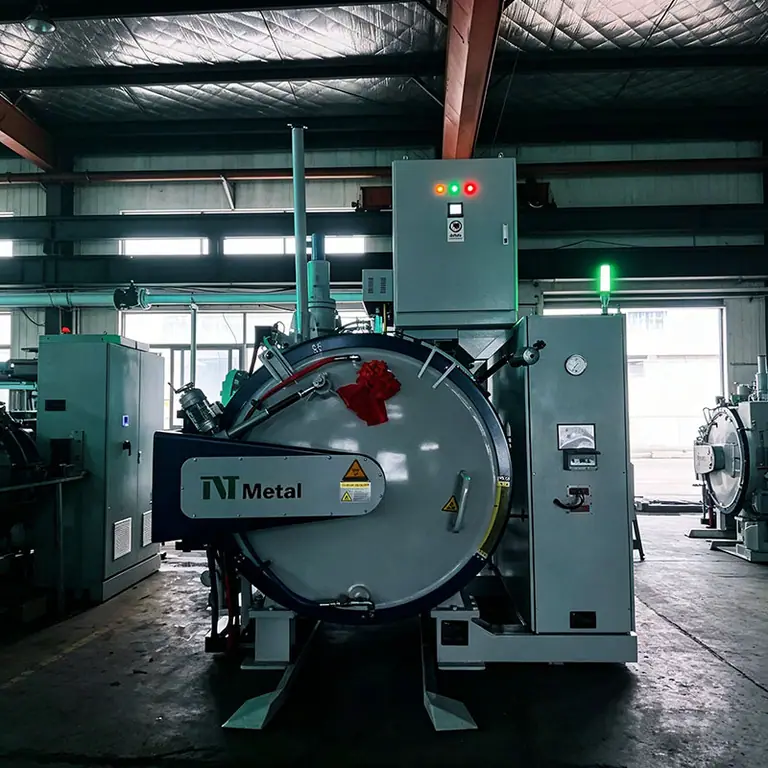
Vacuum Heat Treatment Explained: Why Die Tooling Demands a Vacuum Furnace
Compared with conventional salt-bath and atmosphere furnaces, vacuum heat treatment offers zero oxidation, no decarburization and minimal distortion. This article explains how vacuum furnaces work, the process cycle and how they improve die performance.
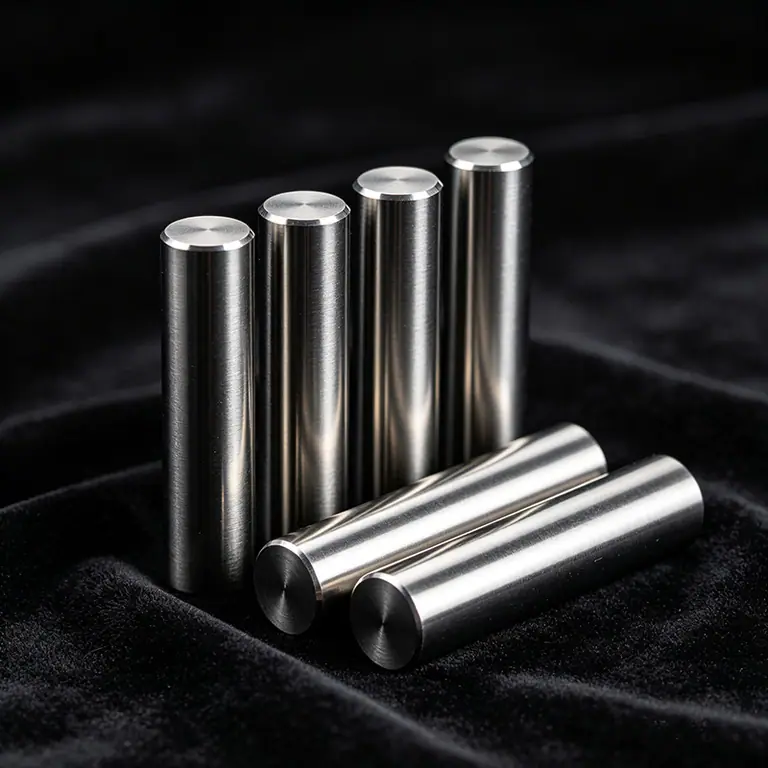
Cr12Mo1V1 vs Cr8Mo2SiV: Two Close Cousins — Which Is Right for Your Die?
Cr12Mo1V1 and Cr8Mo2SiV are both cold-work tool steels with similar chemistry but different strengths. This article compares them across five dimensions: hardness, toughness, wear resistance, machinability and cost.
Cr12MoV (D3 / SKD3) Equivalents: What It Is and When It Fails
Cr12MoV is the D3-type economy cold-work tool steel, and it is frequently cross-referenced to D3, SKD3 or even Cr12Mo1V1. Those substitutions are not equivalent, and the difference shows up as premature die failure. Here is what Cr12MoV actually is and where its limits sit.
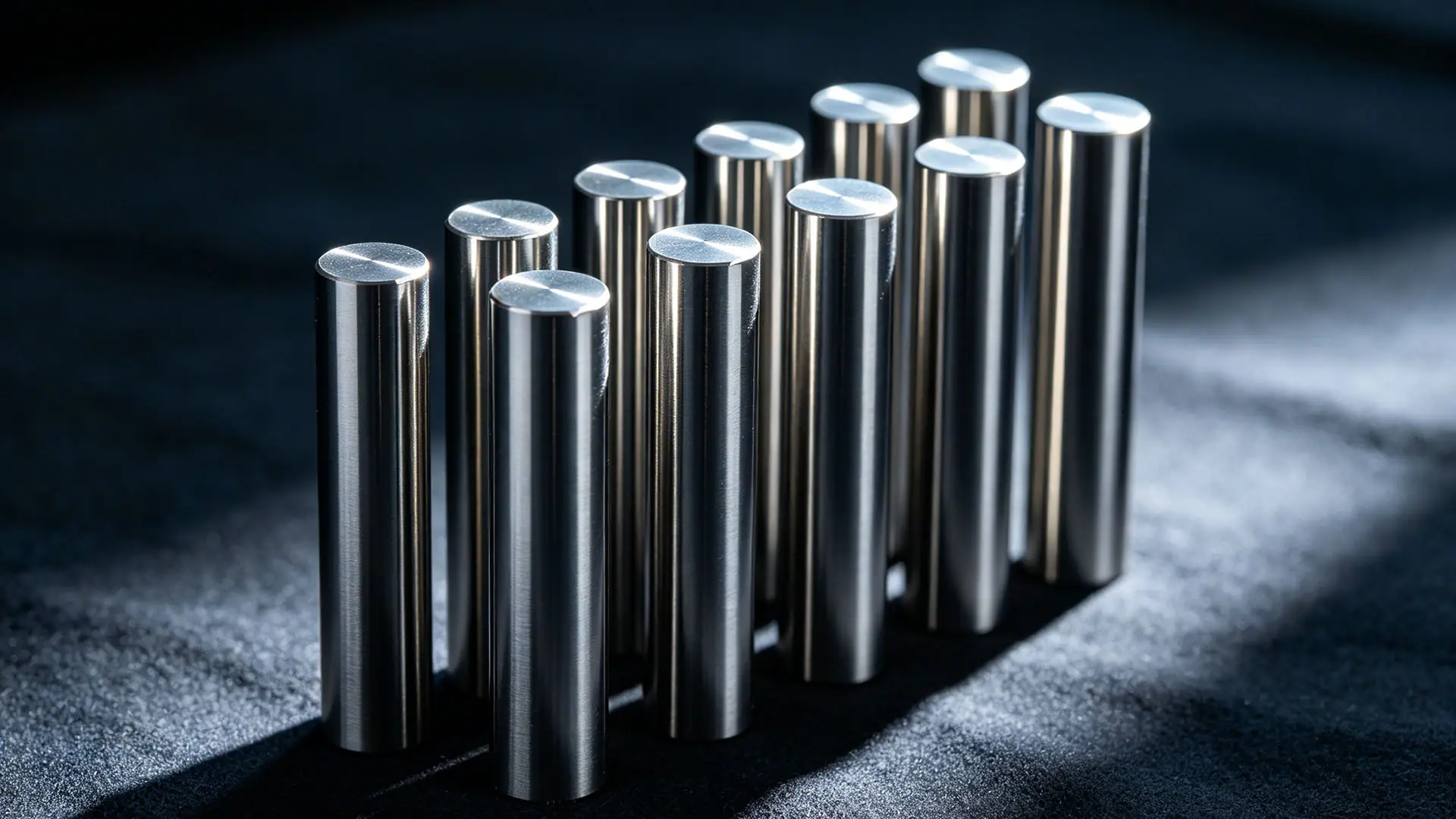
How to Specify Hardened Round Bar: Tolerances
A hardened round bar drawing usually carries five numbers, and most buyers only check two. This guide explains what each one controls, what it costs to tighten, and how each is verified before the bar leaves the works.