Tag
Rotary Die
4 articles covering Rotary Die. Every guide is written by the engineers who run the process, not by a marketing team.
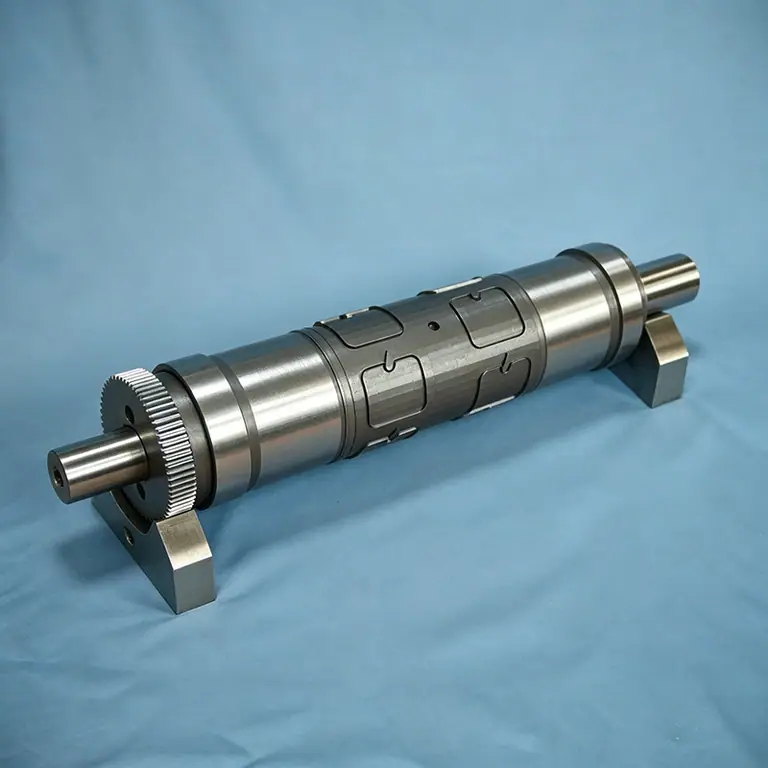
W6Mo5Cr4V2 vs W6Mo5Cr4V2Co5 vs W2Mo9Cr4VCo8: Choosing High-Speed Steel for Rotary Dies
W6Mo5Cr4V2, W6Mo5Cr4V2Co5 and W2Mo9Cr4VCo8 cover 90% of rotary die orders, yet they are often specified by habit rather than data. This guide compares hardness, red hardness, toughness, grindability and cost, then maps each grade to the die types it actually suits.
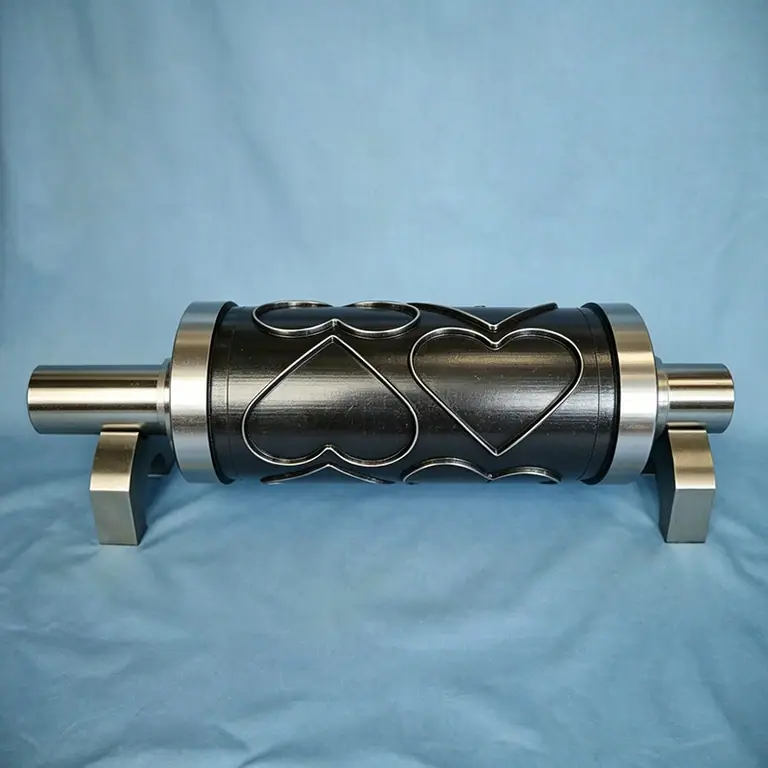
Rotary Die Construction Guide: Six Families and How to Choose
Rotary dies are usually classified by application, which hides the decision that actually determines cost and capability: how the cutting tool is constructed. This guide covers the six families we machine — solid engraved, segmented, spiral cutting, gear-driven, slitting blade assemblies and complete journalled rollers — and maps each to the production situations where it wins.

Kiss-Cut vs Through-Cut: Setting Cut Depth on a Rotary Press
Kiss-cutting and through-cutting are separated by microns of penetration, yet they produce completely different products. This article explains what each mode actually does to a multi-layer web, how cut depth is set and measured on a rotary press, why liner damage happens, and how cut depth interacts with matrix stripping and line speed.
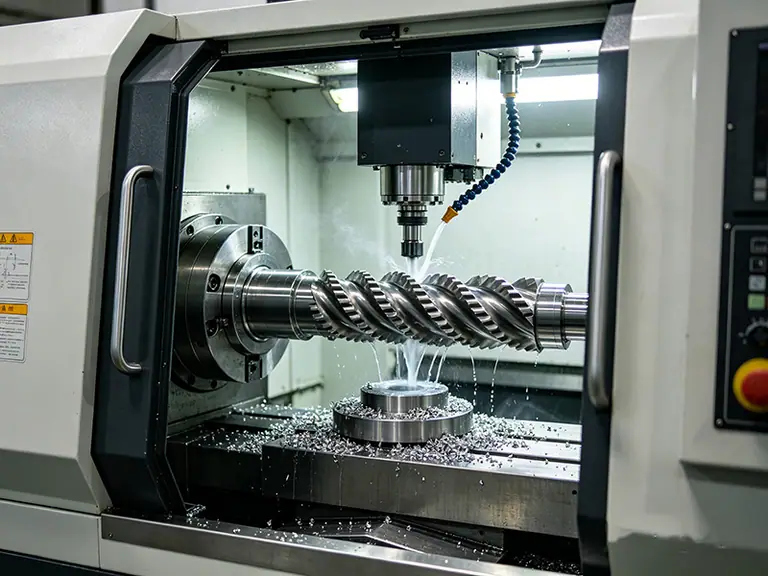
Rotary Die Maintenance: Pressure Setup, Anvil Care and Resharpening
Most rotary dies are replaced before they are worn out — usually because an anvil was left too long, or because nobody tracked how much outside diameter the die had already given up. This guide covers the maintenance programme that prevents both: pressure setup, anvil care, edge inspection intervals, and the outside-diameter log that tells you how much life is left.